The Complete Guide to Blackout Blinds
The Complete Guide to Blackout Blinds
For many Indian households, a good night's sleep is a precious commodity. Whether it's the early morning sun streaming through a bedroom window, the glare of streetlights, or the need for complete privacy, light pollution is a common problem. This is where blackout blinds become an essential addition to any home. They are far more than a simple window covering; they are a tool for creating a sanctuary of darkness, improving sleep quality, and enhancing the comfort of your living spaces.
What Makes a Blind a "Blackout" Blind?
A blackout blind is specifically designed to block out 100% of external light. Unlike light-filtering or dim-out blinds that soften sunlight, blackout blinds are made from densely woven or coated fabrics that prevent light from passing through . This complete light blockage is achieved through the material itself, often a thick, high-GSM (grams per square meter) fabric, sometimes with a specialised vinyl or rubber coating applied to the back .
This light-blocking ability is the primary feature, but the benefits extend much further. The thick fabric also provides excellent thermal insulation, helping to keep rooms cool in India's scorching summers and warm in winter . Additionally, these blinds offer sound-absorbing properties, reducing external noise for a quieter, more peaceful environment . The dense material also provides superior privacy and protects furniture and décor from fading by blocking UV rays .
Types of Blackout Blinds and How They Work
While blackout functionality can be found in various styles, Roller Blinds are the most popular and common form in India . This simple yet effective design features a single piece of fabric that rolls around a tube at the top of the window.
For a true blackout effect, how the blind fits is as important as the fabric itself. Light can creep in from the sides and top, so many users opt for side tracks or a cassette system that seals the fabric against the window frame .
Other popular options include:
Duette® Honeycomb Shades
These feature a unique honeycomb design that traps air for insulation, and with LightLock™ side channels, they offer advanced room darkening . This system uses U-shaped, micro-ridged side channels that absorb and deflect incoming light for superior darkness.
Roman Blinds with Blackout Lining
Combining the sleek functionality of blinds with the style of curtains, these are measured and fitted for a snug finish that helps stop light creeping in .
Pleated and Vertical Blinds
Available with blackout finishes to minimise light levels .
Perfect Fit Blinds
Neatly clip into uPVC frames with no need for drilling, creating a snug fit that minimises light leakage around the edges .
Cordless and Motorised Options are also increasingly popular, as they eliminate dangling cords for child and pet safety while offering a clean, modern look . Motorised versions can be controlled with a remote, smartphone app, or integrated into smart home systems like Alexa or Google Assistant .
Where to Use Blackout Blinds in Your Home
While blackout blinds are most commonly associated with bedrooms, their usefulness extends to other areas of the home :
-
Bedrooms: Blackout blinds are the gold standard for creating an optimal sleeping environment, essential for shift workers, light sleepers, and families with young children. The reduced sound and light pollution and insulation create the perfect sleeping environment every time .
-
Living Rooms and Media Rooms: They transform a living space into a home theatre, eliminating daytime glare for the perfect cinema experience.
-
Home Offices: They minimise screen glare and harsh shadows, making them ideal for video conferencing, presentations, and focused work .
-
Nurseries: They allow parents to create a calm, dark environment for babies and toddlers to nap during the day.
-
Kitchens and Bathrooms: With waterproof and moisture-resistant fabric options, blackout blinds are a durable and practical choice for these high-humidity areas .
Sizing and Installation: The Key to True Blackout
A common misconception is that any blackout fabric will block all light. If there are gaps around the edges, light will still enter. Therefore, correct sizing and installation are critical.
Mounting Options
When measuring, you have two main options:
Inside Mount (Recess Installation): The blind fits within the window frame. Your window frame should have at least a 2-inch depth . However, light may enter through the sides of the blinds in this configuration . Installation clearance of half an inch is required on both sides of the roller blind .
Outside Mount (Wall-Ceiling Installation): The blind covers the entire window and a portion of the wall around it. This is generally more effective at blocking light, as it overlaps the window opening. For optimal coverage, the shade should be 4-6 inches wider than the window frame and at least 2 inches longer than the window length . Alternatively, measure the window and add 5 cm on each side .
Custom Sizing
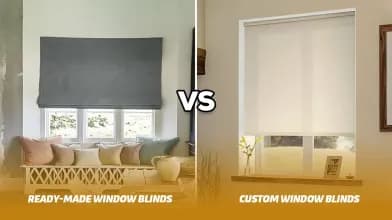
For Indian homes, where window sizes often differ from standard global dimensions, custom-made blinds are highly recommended to ensure a perfect, gap-free fit. Many sellers offer customisation options, with customer support guiding you through the entire process .
Professional Installation
While many blackout blinds come with all the hardware required for installation , some users find the installation process cumbersome and may need an experienced person for expert fitting . Professional installation is available at extra cost from many suppliers .
Maintenance and Care
One of the many advantages of blackout blinds is their low maintenance. Most are made from durable polyester blends that are easy to clean . A simple wipe-down with a damp cloth is usually sufficient to remove dust . For deeper cleaning, use a soft, dry cloth or feather duster to remove surface dust regularly, spot clean stains with a damp cloth and mild soap, and avoid abrasive cleaners .
What to Look for in a Blackout Blind
When choosing a blackout blind, consider these factors to ensure you get the best product for your needs:
Fabric Quality
Look for thick, high-quality fabrics that are tightly woven to prevent light from passing through . Waterproof designs are perfect for humid spaces like kitchens and bathrooms .
Child Safety Features
Opt for cordless or motorized configurations to eliminate dangling cords .
Energy Efficiency
Choose blinds with thermal insulation features to help regulate indoor temperatures .
Installation Options
Consider whether you will install the blind yourself or require professional installation. Ensure the supplier provides all necessary hardware .
Customer Reviews
Check customer reviews for feedback on product quality, ease of installation, and true blackout performance. Positive reviews often highlight good packaging, prompt customer support, and stylish design , while negative reviews may point out missing fittings, incorrect sizes, or quality issues .
The Complete Guide to Blackout Blinds in India
For many Indian households, a good night's sleep is a precious commodity. Whether it's the early morning sun streaming through a bedroom window, the glare of streetlights, or the need for complete privacy, light pollution is a common problem. This is where blackout blinds become an essential addition to any home. They are far more than a simple window covering; they are a tool for creating a sanctuary of darkness, improving sleep quality, and enhancing the comfort of your living spaces.
What Makes a Blackout Blind Different?
A blackout blind is specifically engineered to block out 100% of external light. Unlike light-filtering or dim-out blinds that soften sunlight, blackout blinds use specially designed fabrics that prevent light from passing through the material itself. The key difference lies in the fabric construction and, crucially, the installation method .
The Fabric Difference:
-
Blackout Fabric: Light cannot pass through the material. Hold it up to a lamp and you will see no glow through the body of the fabric .
-
Dim-Out Fabric: Heavily reduces light but still lets a faint amount through.
-
Sunscreen Fabric: Designed to filter glare while maintaining the view .
Blackout fabrics are typically made from thick, high-density polyester with specialised coatings such as acrylic foam or silver/aluminium backing that create an impermeable barrier to light . These materials are available in various compositions, including PVC-free options with acrylic foam coatings that offer multiple benefits:
-
Flame retardant properties
-
Waterproof and antibacterial characteristics
-
Free of heavy metals, lead, and formaldehyde
-
High colour fastness (Class 5 rating)
Benefits Beyond Blocking Light
Improved Sleep Quality
Blackout blinds help your body re-establish a natural sleeping pattern by eliminating light pollution that can disrupt melatonin production . The reduced sound and light pollution create the perfect sleeping environment, especially valuable for shift workers, light sleepers, and families with young children.
Energy Efficiency
The thick, insulating fabric used in solid blackout roller blinds can contribute to significant energy savings. By providing insulation against heat and cold, these blinds help regulate indoor temperatures, keeping your space cooler in summer and warmer in winter . This is particularly valuable in India's extreme climate, reducing air conditioning costs and making homes more sustainable .
Sound Absorption
Quality blackout blinds are designed with sound-absorbing properties, making them suitable for spaces where noise reduction is desired . This feature enhances overall comfort and tranquillity, especially in urban areas with high ambient noise.
UV Protection and Furniture Preservation
The dense materials block harmful UV rays that can fade furniture, flooring, and artwork over time, protecting your interior investments.
Complete Privacy
The opaque nature of blackout fabrics provides superior privacy, making them ideal for ground-floor rooms or spaces where complete seclusion is desired.
The Critical Factor: Installation and Light Gaps
The honest truth about blackout blinds is this: the fabric blocks light fully, but the installation decides whether the room does . A plain roller blind leaves small gaps at the sides, top, and bottom where the fabric is narrower than the window. In bright sunlight, these edges read as bright lines around the blind even when the fabric itself is pitch dark. This is the single most common reason people feel a blackout blind "did not work" .
How to Achieve True Darkness
1. Choose True Blackout Fabric, Not Dim-Out
Confirm the fabric is labelled blackout ("100% blackout" or "room darkening" with a coated backing), not dim-out. If you can see a sample glow against a light, it is dim-out .
2. Add Side Channels
Side channels are slim tracks fitted down both sides of the window that the fabric runs inside, so light cannot escape past the edges. This step makes the real difference between "much darker" and "actually dark" . For marine or professional applications, aluminium side channels with cassettes provide complete light sealing .
3. Use a Cassette or Pelmet at the Top
A cassette houses the rolled fabric and closes the gap above the blind, giving a neater finish. Combined with side channels, it removes nearly every light path around the blind .
4. Mount Inside the Recess Carefully
An inside-recess mount looks tidy but leaves natural side gaps, so it relies on side channels for darkness. An outside-recess mount, where the blind overlaps the opening, can cut edge light on its own but looks bulkier . Proper installation requires the blind to sit correctly within the window frame with all components flush and no gaps .
5. Consider Sliding Honeycomb Blinds
If total darkness is non-negotiable, a sliding honeycomb (cellular) blind goes further than a roller. Fitted in side tracks and sealed to the window, it can reach around 99% darkness—more than a roller blind achieves even with side channels and a pelmet. The trade-off is that the silicone seal makes it a more permanent, fixed installation .
Conclusion
Blackout blinds in India are a practical, functional, and stylish investment for any home. They offer a perfect solution for managing light pollution, improving sleep quality, and enhancing energy efficiency. By choosing the right style, ensuring a proper fit, and selecting quality materials, you can transform your living spaces into comfortable, private, and dark sanctuaries, no matter the time of day.