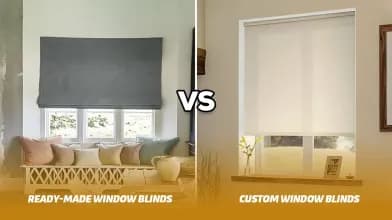
The Complete Guide to Roller Blinds: Style, Function, and Practicality
The Complete Guide to Roller Blinds: Style, Function, and Practicality
In the world of window treatments, few options offer the perfect balance of simplicity, versatility, and modern appeal quite like roller blinds. They have transcended their purely utilitarian origins to become a design staple in contemporary homes, offices, and commercial spaces alike. Whether you are a minimalist at heart, a tech enthusiast, or simply someone looking for an effective way to control light and privacy, roller blinds present a compelling solution.
This comprehensive guide covers everything you need to know from choosing the right fabric and operating mechanism to installation, safety, and long-term maintenance.
Part 1: Understanding Your Options – The Building Blocks of Roller Blinds
Before you make a purchase, it is essential to understand the core components that define a roller blind's performance and aesthetic. The choices you make here will determine how the blind functions in your specific space.
1. Fabric Opacity: Controlling the Light
The most crucial decision you will make is the level of light filtration you desire. This is dictated entirely by the fabric you select.
-
Sheer or Translucent Fabrics: These are lightweight materials that allow diffused natural light to flood into a room while softening harsh glare. They provide minimal privacy during the day and virtually none after dark (silhouettes are visible from the outside). They are best suited for living rooms, kitchens, or sunrooms where you want to maintain a bright, airy, and open atmosphere.
-
Light-Filtering or Semi-Opaque Fabrics: This is the happy medium. These fabrics gently soften incoming light, casting a warm glow across the room while obscuring the view from the outside. They offer a good balance of daytime privacy and brightness, making them a popular choice for dining areas, hallways, and home offices where you want natural light without compromising on a sense of seclusion.
-
Blackout Fabrics: Engineered to block 99% of external light and harmful UV rays, these are the champions of privacy and darkness. They are essential for bedrooms, nurseries, media rooms, and any space where light control is paramount. Beyond just darkness, the dense coating on blackout fabrics provides an additional layer of thermal insulation, helping to keep rooms cooler in summer and warmer in winter by reducing heat transfer through the glass.
2. Operating Mechanisms: How Do You Want to Control Them?
Gone are the days when a simple pull cord was your only option. Modern roller blinds offer a variety of control systems designed for convenience, safety, and accessibility.
-
Standard Chain Control: This is the most common and reliable mechanism. A continuous bead chain hangs on one side of the blind, attached to a clutch mechanism inside the roller tube. Pulling the chain rotates the tube, raising or lowering the fabric. It is affordable, durable, and easy to repair.
-
Spring-Assisted (Pull Cord) Control: These operate via a single continuous cord, usually pulled down to raise the blind and tugged gently to lower it. They are an excellent alternative for windows where a hanging chain might be obstructive. However, they require a steady, deliberate pull to engage the internal spring mechanism effectively.
-
Motorized or Cordless Operation: The ultimate in modern convenience. With the touch of a button on a remote control, a wall switch, or even a voice command through smart home integration, you can raise or lower your blinds effortlessly. This is a game-changer for hard-to-reach windows, large or heavy blinds, and households with mobility challenges. Most importantly, it eliminates dangling cords entirely, making it the safest choice for homes with young children or pets.
Part 2: The Design and Aesthetic Appeal
Roller blinds have earned their place in interior design not just for their utility, but for their unparalleled ability to enhance a room's aesthetic without overwhelming it.
The Minimalist Advantage
Unlike heavy drapes or pleated curtains that can dominate a space, roller blinds offer a slim, streamlined profile. When fully raised, they roll into a compact tube, maximizing the view and letting in the maximum amount of light. When lowered, they present a clean, flat rectangle of color or texture that sits flush within the window frame. This "less is more" philosophy allows the architecture of your windows to remain the focal point.
Material and Texture: Adding Depth
Modern roller blinds have evolved far beyond basic polyester. Today, you can find an array of materials that add warmth and character to a room.
-
Natural Woven Woods and Bamboo: These blinds are crafted from sustainable materials like reeds, bamboo, and grasses. They bring an organic, earthy texture to interiors, making them ideal for coastal, bohemian, or rustic design schemes. They allow dappled light to filter through, creating a warm and inviting ambiance.
-
Smooth Satin or Linen-Weave Synthetics: These offer a more refined, luxurious finish. The subtle sheen of satin works beautifully in ultra-modern or Art Deco spaces, while linen-weave textures add a touch of understated elegance to transitional or traditional interiors.
Using Color Strategically
Roller blinds can serve two distinct design purposes. You can choose neutral tones—whites, greys, or taupes—that blend seamlessly with your walls, creating a cohesive and spacious feel. Alternatively, you can use them as a bold accent piece, introducing a pop of vibrant color or a large-scale pattern that ties your room's palette together, acting as a piece of functional art.
Part 3: Installation – A Practical Guide
Proper installation is critical to the performance and longevity of your roller blinds. While professional fitting is always an option, many blinds are designed for straightforward DIY installation.
Inside Mount vs. Outside Mount
-
Inside Mount: The blind is fitted within the recess of the window frame. This offers the cleanest, most integrated look and is ideal for showcasing deep window reveals. It leaves the surrounding wall space entirely clear.
-
Outside Mount: The blind is mounted on the wall or the trim above the window. This is the preferred method when the window frame is too shallow to accommodate the mechanism, or when you want to make a small window appear larger by covering the entire opening with the blind.
The Installation Steps
-
Measure with Precision: Always measure the width at the top, middle, and bottom of the window frame (frames are rarely perfectly square). For an inside mount, use the narrowest measurement. For an outside mount, add 2–4 inches to the width on each side to ensure maximum light blockage.
-
Mark Your Positions: Hold the brackets against the wall or ceiling. Use a spirit level to ensure they are perfectly horizontal. A crooked blind will cause the fabric to roll unevenly. Mark your screw holes with a pencil.
-
Drill and Secure: Use an appropriate drill bit for your wall type (masonry for brick, standard for wood). Secure the brackets using the provided screws.
-
Click the Blind In: Most modern blinds feature a "click-in" system. You simply snap the roller tube into the bracket and lock it in place using a small lever or pin.
-
Test and Adjust: Pull the blind down and roll it up several times. If the chain is too long, you can usually shorten it using the small connector link provided.
Part 4: Safety – A Non-Negotiable Priority
While roller blinds are generally considered safe, the looped chains or cords present on many models pose a strangulation hazard to young children and pets. Safety must always be the top priority.
-
Chain Tensioners: If you have a chain-operated blind, a chain tensioner is essential. This small device screws into the wall and keeps the chain taut, eliminating the hazardous loop. It ensures that the chain is always safely under tension.
-
Breakaway or Safety Connectors: Many modern cord systems include a specialized connector designed to separate or break under pressure. This prevents the formation of a dangerous loop if a child or pet becomes entangled.
-
Cordless and Motorized Systems: If safety is your primary concern, these are the gold standard. By removing cords and chains entirely, you eliminate the risk altogether. This is especially advisable for homes with young children, and it is increasingly becoming a requirement in many building regulations for child-occupied spaces.
Part 5: Maintenance and Longevity
The beauty of roller blinds lies in their low-maintenance nature. Unlike curtains, they do not harbor dust in pleats or folds, making them a hygienic choice for allergy sufferers. However, they still require some care to remain pristine.
Regular Maintenance
-
Weekly Dusting: Use the upholstery brush attachment on your vacuum cleaner to gently run over the surface of the blind. Alternatively, a soft microfiber duster works well. This prevents dust buildup and keeps the fabric looking fresh.
-
Spot Cleaning: For minor smudges or fingerprints, use a soft cloth slightly dampened with warm water and a drop of mild dish soap. Dab the stain gently do not rub, as this can damage the coating or weave. Blot dry with a clean towel.
Deep Cleaning
For a more thorough clean, it is best to consult the fabric care label. However, a general safe method for most durable synthetics is:
-
Carefully remove the blind from its brackets.
-
Gently rinse it in the shower with lukewarm water (or gently sponge it down).
-
Allow it to drip dry completely by hanging it back on the brackets in the bathroom (or outside in the shade). Never use a tumble dryer, and never wring the fabric, as this can cause creases that are difficult to remove.
The Sustainability Angle
To extend the lifespan of your blinds and improve your home's energy efficiency, consider using motorized blinds with a light sensor. You can program them to close automatically during the hottest part of the day. This reduces the heat gain in your home, thereby lessening the load on your air conditioning. By lowering your energy consumption, you save money while also reducing your environmental footprint.
Conclusion
Roller blinds represent a smart, stylish, and practical investment for any home. Their versatility in design ranging from sheer and light to blackout and insulating ensures that there is a perfect option for every room and every need. With modern advancements in motorization and safety features, they are more convenient and child-friendly than ever before.
By carefully considering your fabric choice, control mechanism, and installation requirements, you can enjoy the perfect balance of light, privacy, and aesthetic appeal for years to come. Whether you are renovating your entire home or simply refreshing a single room, roller blinds offer a timeless solution that marries function with form in the most seamless way possible.